People Counting
Plan people counting at retail entrances, offices and commercial buildings, with occupancy trends, supported analytics and useful reporting.
Explore People Counting
AI detection connects a specific question about a site to a supported camera, sensor or analytics rule. It may help a store understand footfall, a warehouse notice a vehicle in a defined zone, or a facilities team receive a leak sensor event.
The useful outcome is not simply an automated label on a video image. It is information that reaches the right people through an agreed monitoring and response workflow.
Video unavailable. Follow the illustrated workflow below.
Commercial / industrial / maritime
Cameras and sensors surface activity at the monitored site.
A supported camera, VMS or analytics rule evaluates a predefined condition.
An approved LAN/WAN path carries event information to the platform. Remote or vessel projects may use configured mobile, Starlink or VSAT backhaul.
Operations staff review the context and follow an agreed response procedure.
Illustrative sequence, not a detection-speed demonstration. Capabilities and notification channels depend on the selected equipment, platform and agreed response workflow.
Plan people counting at retail entrances, offices and commercial buildings, with occupancy trends, supported analytics and useful reporting.
Explore People CountingExplore perimeter intrusion detection, virtual line crossing and out-of-hours alerts connected to security operators and monitoring platforms.
Explore Intrusion DetectionUnderstand visual smoke analytics, supported cameras and operational alert workflows that supplement required certified fire systems.
Explore Smoke DetectionPlan supplementary thermal and video event monitoring, operator review and escalation alongside dedicated fire and life-safety systems.
Explore Fire & Heat DetectionExplore sensor-driven and supported visual leak monitoring for plant rooms, network cabinets and facilities, with secure alerts and response.
Explore Leak DetectionExplore supported fall and immobility analytics, lone-worker monitoring and human verification with defined operational escalation.
Explore Man Down DetectionPlan vehicle presence and zone monitoring for yards, loading areas and industrial entrances with supported analytics and operator alerts.
Explore Vehicle DetectionExplore supported helmet and visibility-vest analytics as supplementary operational monitoring for industrial and logistics environments.
Explore PPE DetectionUnderstand occupancy thresholds, queue dwell time and service-point analytics for retail, reception areas and commercial buildings.
Explore Queue / Occupancy MonitoringExplore dwell-time analytics for entrances and sensitive areas, with contextual review and proportionate alerts to responsible operators.
Explore Loitering DetectionPlan monitoring for staff-only, hazardous and vessel technical areas using supported camera analytics and access-control event context.
Explore Restricted Area DetectionUnderstand human-versus-motion classification for commercial monitoring without implying facial identification or biometric recognition.
Explore Human DetectionConnect supported AI events to email, SMS, apps, alarms and control rooms with acknowledgement, escalation and a useful audit trail.
Explore AI Alerting & Event WorkflowsPeople counting, intrusion, smoke, heat, leaks and man-down events describe different monitoring requirements. Some are primarily visual analytics applications. Others are better served by a dedicated sensor, a wearable device or a specialist safety system. Cameras and sensor data may also be combined where the selected platforms support a useful integration.
The design should start with the condition to be observed and the action the business wants to take.
The categories below explain those distinctions in practical terms. They cover the environment, possible devices, network connections, event outputs and limitations that need to be understood before installation. A feature available on one camera, licence or VMS is not automatically available on another.
A successful demonstration in one scene does not establish suitability for every location on a site.
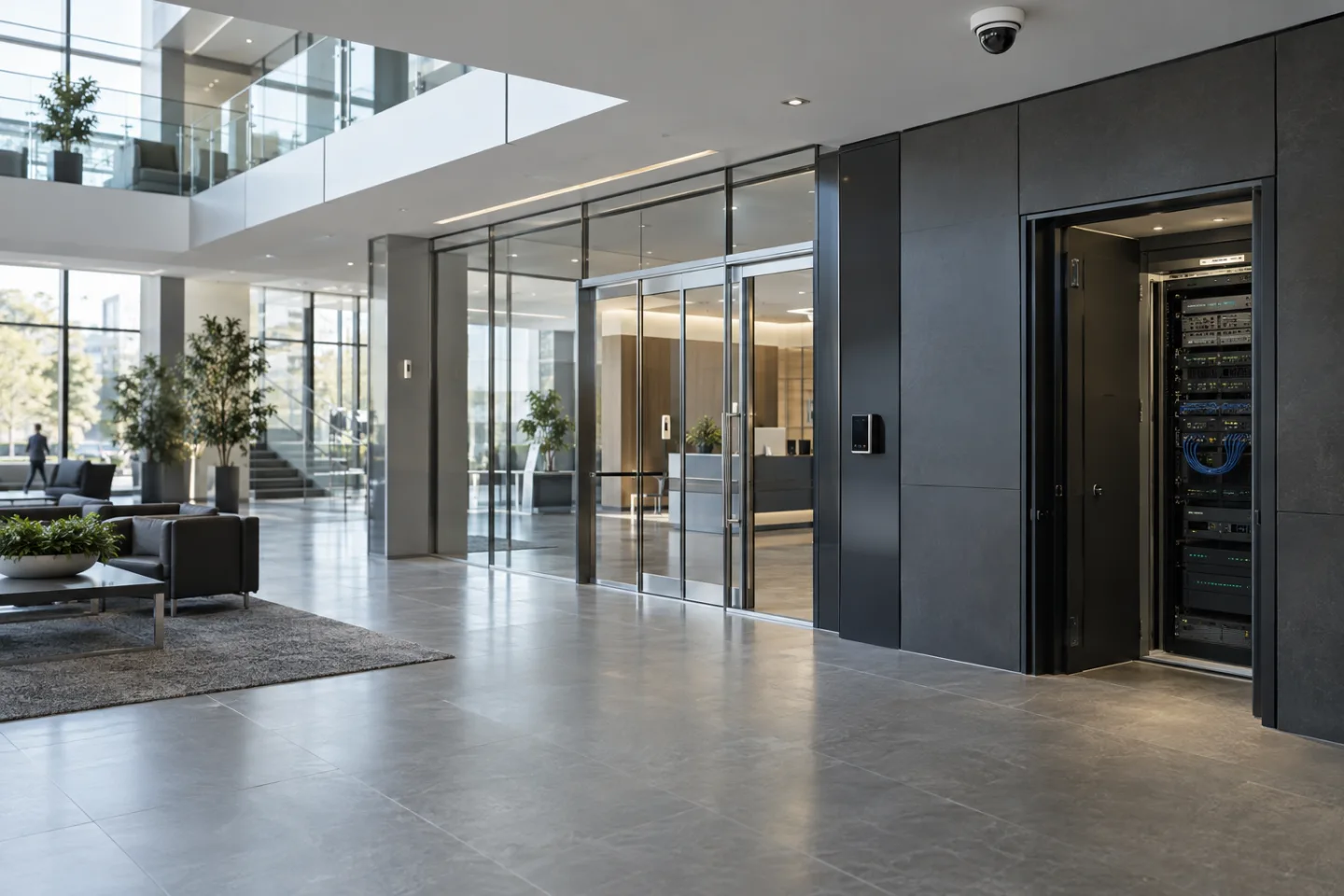
Supported systems can be configured to monitor defined conditions on a 24/7 schedule. That capability depends on the camera or sensor, processing, power, network and receiving platform remaining available. It does not mean that every event will be detected, that notifications are guaranteed to arrive, or that a person is continuously watching the video.
The operational plan must explain who reviews events and how faults or unanswered notifications are handled.
A business may use different rules during staffed and unstaffed hours. A busy entrance may produce a periodic count report, while activity at a closed service gate may enter a security review queue. Maintenance schedules, authorised access and staff cover should be reflected in the configuration.
Clear rule names and location labels help the receiving team understand why a message has arrived.
An event may begin in camera-edge analytics, a VMS, an analytics server or a sensor gateway. The local network carries the relevant data to a supported platform through agreed security policies. The event can then lead to an email, text/SMS notification, mobile app message, alarm output, control room alert or remote monitoring record where those interfaces are available.
The response is part of the design. A supervisor may review a possible PPE omission, a facilities team may verify a leak location, or an operator may check whether a boundary crossing was authorised. Acknowledgement, escalation and records of the action taken make those workflows more useful than an unassigned stream of notifications.
The dedicated alerting page explains the dependencies and choices in detail.
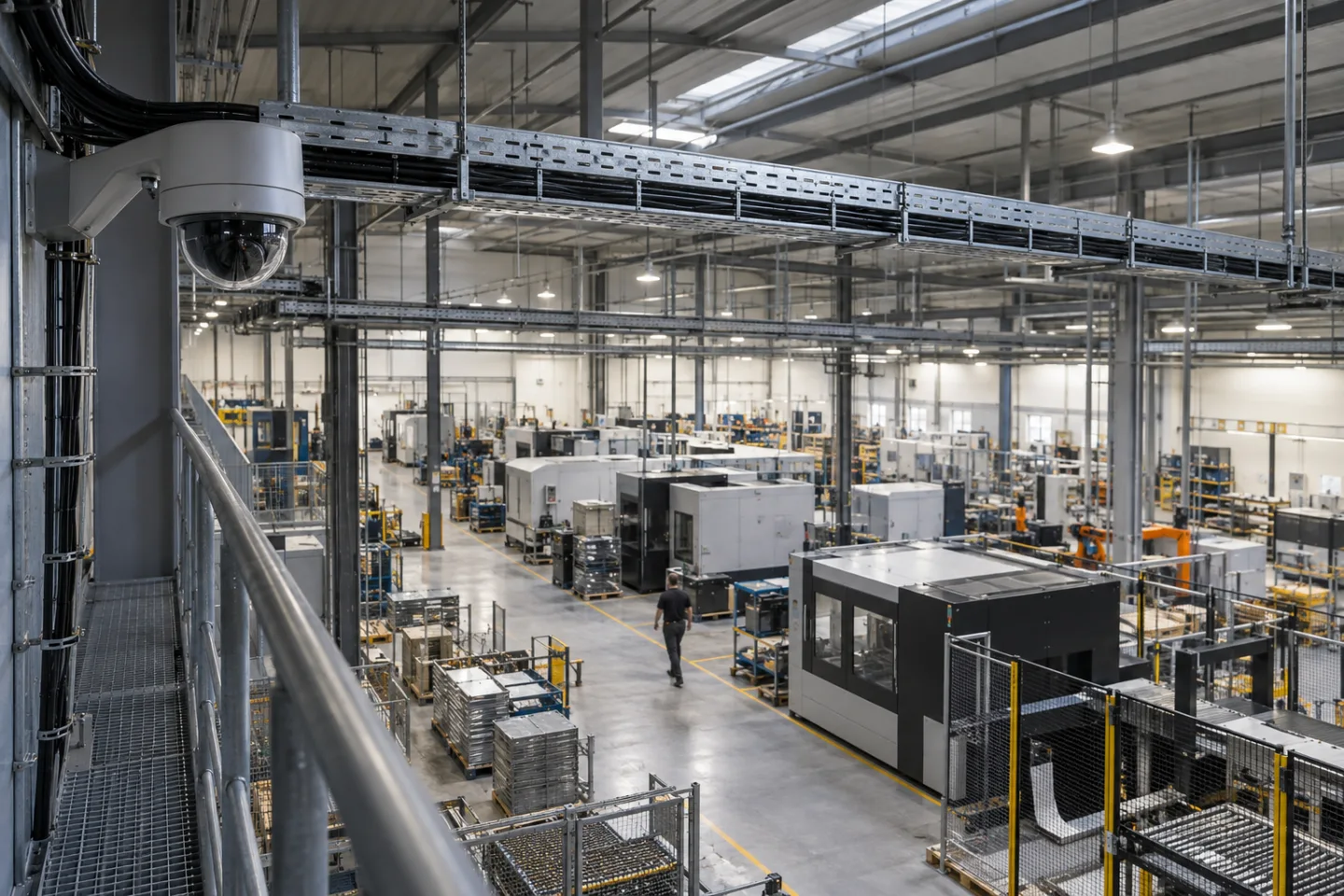
Retail sites may use counting and queue information to support service decisions, alongside selected security events. Warehouses and logistics facilities may need vehicle, perimeter, access-zone or supported safety analytics. Offices and commercial buildings may focus on occupancy awareness, service-area access and environmental conditions around technical equipment.
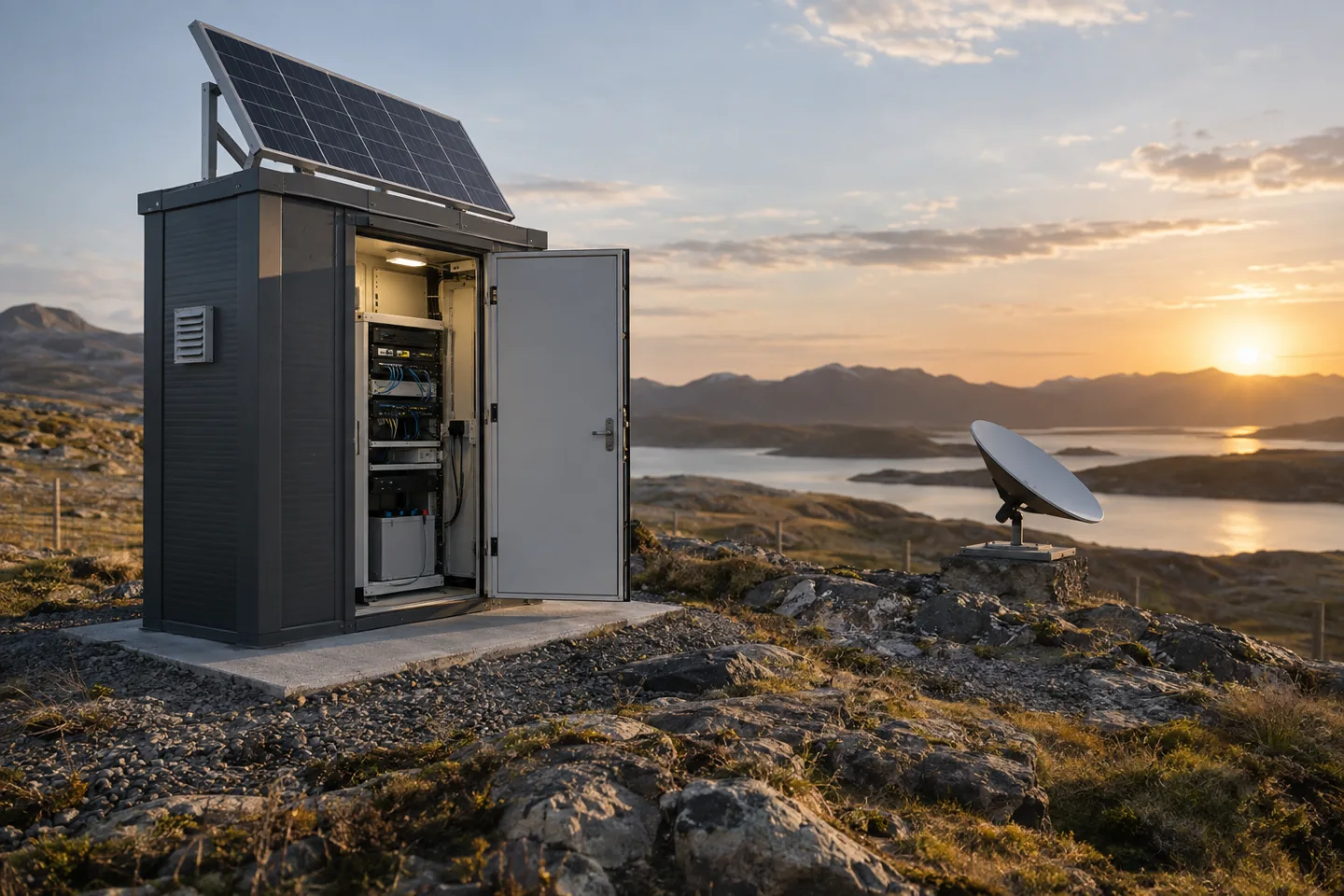
Industrial sites, vessels and remote locations introduce additional installation, environmental and communications considerations. Equipment suitability and the responsible operating team must be identified for the actual location. The same general architecture can connect a local event to a remote reviewer, but the device, network route and escalation procedure need to reflect the site's conditions and support boundaries.
AI-assisted monitoring can help surface events for review, but it does not replace human judgement or required physical and procedural controls. Smoke, fire, heat and man-down topics need particular care: supplementary operational analytics is distinct from dedicated certified safety systems where those are required.
The receiving workflow must not delay or override established emergency procedures.
Human detection is also different from identifying an individual. This section explains person-related classification without promoting biometric identity matching or inference about sensitive characteristics. Across the categories, agree a legitimate monitoring purpose, proportionate access to images and event data, appropriate retention and a process for reviewing limitations.
IS Security can coordinate the cameras, sensors, cabling, networks and supported integration interfaces around an agreed commercial requirement.
Commercial / industrial / maritime. Open each stage to explore its role. This is an illustrative workflow; it does not analyse live footage or send notifications.
The monitored condition is: scene, occupancy or environmental event. Select the device, field of view and installation position for this specific task. Record obstructions, lighting, power and maintenance requirements before relying on the event stream.
Apply configured rule and operating schedule. The selected platform must support the intended event and expose a usable interface. Test representative events and unwanted triggers; an analytics output is a candidate for review, not proof of what happened.
Carry authorised event data through the local switch or sensor gateway and an approved network path. Size bandwidth for any accompanying clip. Protect accounts and interfaces, supervise connection loss and agree retry behaviour where the platform supports it.
Deliver the location, event type and time to the agreed recipient. A person verifies the available context, follows the site response procedure and records the outcome. Delivery, acknowledgement and resolution are different states and should be reviewed separately.
Where supported by the selected camera, sensor, VMS or analytics platform. Safety-related analytics provide supplementary operational awareness and do not replace dedicated certified fire or life-safety systems where required. The final design must define the equipment, event interfaces and responsible response team.
Available outputs depend on the selected platform, licences and agreed integrations. Open a channel for practical delivery considerations.
Supported email can deliver a location and event link. Confirm recipients and monitoring arrangements; delivery does not prove response.
A supported messaging gateway can send concise event information. Agree costs, delivery reporting, alternative recipients and the required operating hours.
Authorised users can receive supported app notifications. Test permissions, connectivity and acknowledgement, with cover for unavailable or silenced devices.
Compatible interfaces may drive approved operational indicators. Safety-system functions and hazardous equipment require their own appropriately engineered arrangements.
Supported integrations place named events in an operator workflow. Include location, time and useful context for human verification.
Define alternative recipients, acknowledgement times and closure records. Review delivery failures and unwanted alerts with the responsible team.
Start with the event, the operating environment and the person responsible for responding. Share existing equipment details, site plans and integration requirements with the technical team.
Commercial sites. International programmes. Onboard systems.
Installations across all of the US, Europe, the Caribbean, the UK and South Africa, with deployment support in Canada and Panama.
Regional resources · Fly teams · International project support
Explore regions & deployment hubs →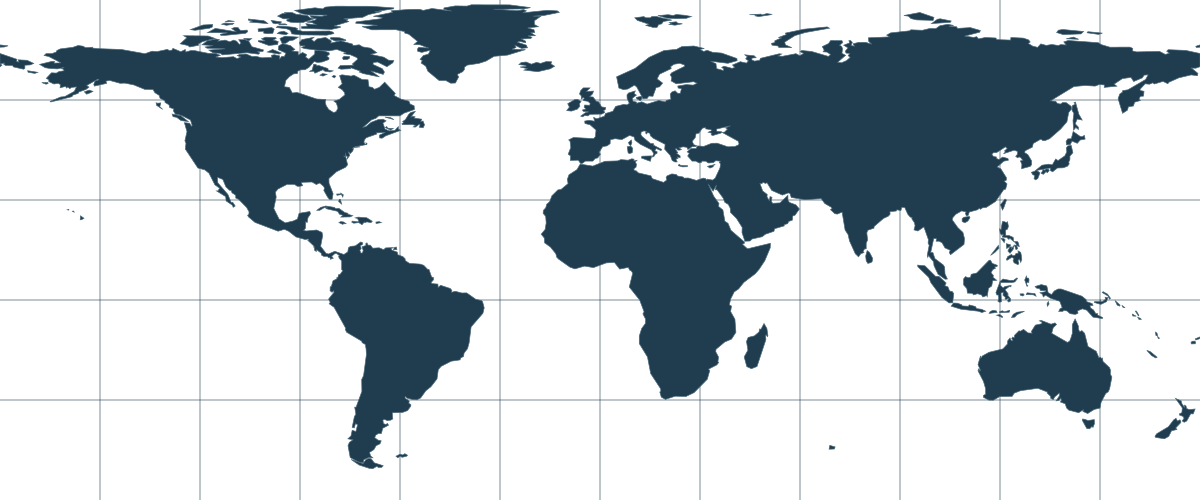 DEPLOYMENT NETWORK / ILLUSTRATIVE CONNECTIONS