Human Detection Analytics
Human detection classifies a visible object as a person where the selected camera and analytics platform support that function. It can help distinguish a person-related event from other movement and provide a starting point for rules such as entry, presence, line crossing or time in an area.
It does not, by itself, identify who the person is or establish their intentions.
Video unavailable. Follow the illustrated workflow below.
THE EVENT JOURNEY
Object → human classification → event review
Observe an object
A person moves within a camera view that also contains ordinary equipment or background activity.
Classify where supported
The selected analytics may distinguish a human-shaped object from other motion; this is not identity recognition.
Create a relevant event
A configured zone or direction rule can route the observation to the monitoring workflow.
Review the context
Authorised staff decide whether the activity needs attention. Classification does not establish who a person is or their intent.
Illustrative sequence, not a detection-speed demonstration. Capabilities and notification channels depend on the selected equipment, platform and agreed response workflow.
Keep classification separate from identification
Detecting a human shape, locating a face in an image and recognising an individual's identity are different capabilities. This section focuses on human detection for operational and security event review. It does not promote face recognition, biometric identity matching or inference about sensitive personal characteristics.
An organisation considering those separate uses would need its own assessment, appropriate authority and clearly defined requirements.
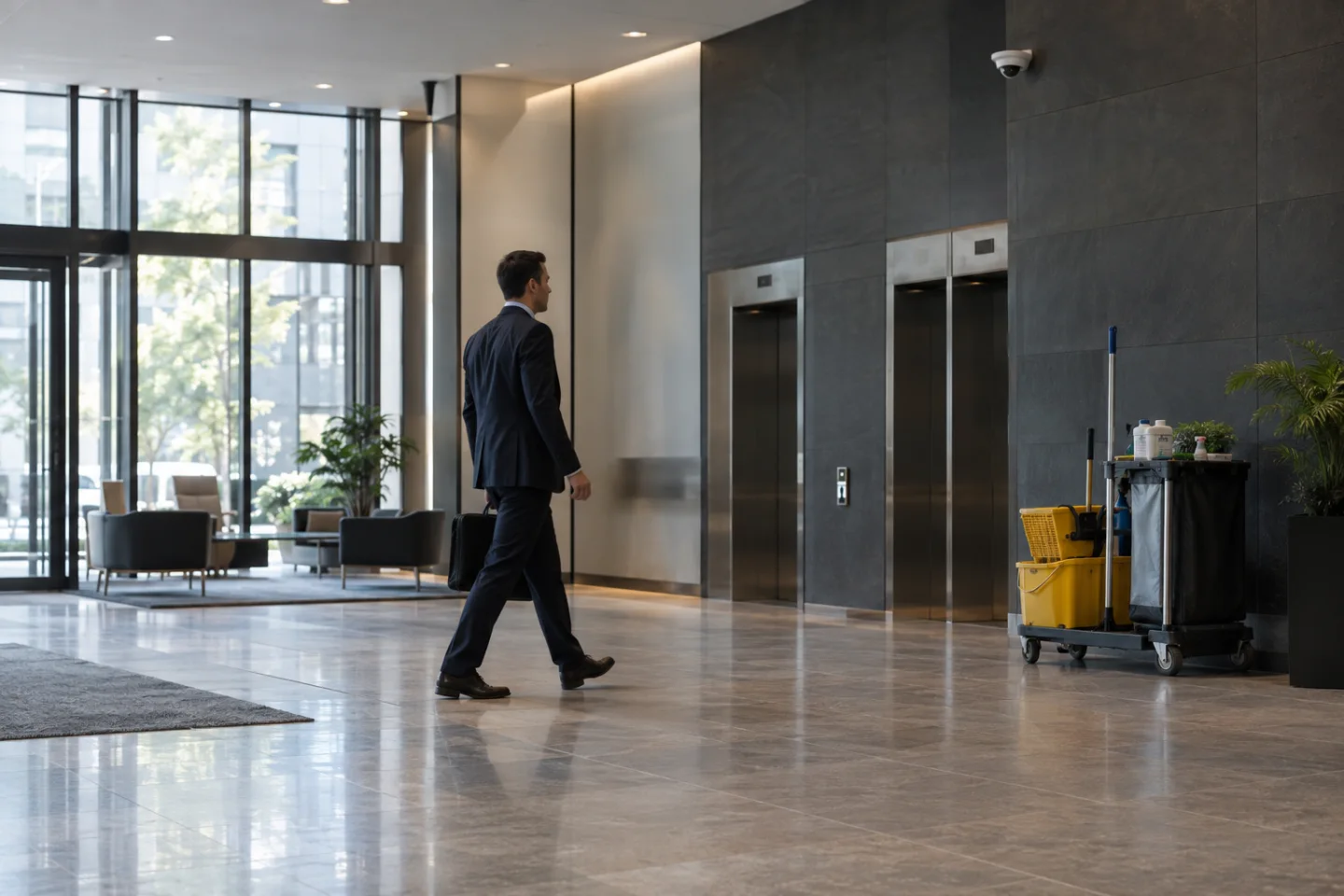
A person classification can make a configured event more relevant than a generic movement trigger, but it is still an inference from the available scene. A camera view may include a cleaning trolley, moving foliage, reflections or objects resembling a person.
The supported analytics and its installation conditions determine how useful the classification will be. No model should be described as perfectly separating every object in every environment.
Select a view that supports the rule
The system needs sufficient image information for the intended application. Lighting, contrast, distance, perspective, partial visibility and crowding can affect the result. A person hidden by shelving or equipment may not be visible enough for a camera rule. Camera position and scene assessment should therefore come before assumptions about what a software feature can accomplish.
The project should identify whether the requirement is presence in an area, crossing a boundary, a directional event or another supported condition. These are separate rules built around the detected object. Confirm the camera's processing capability, analytics licence and available event interface.
A conventional motion function does not automatically provide human classification, and a human classifier does not automatically provide counting, PPE or man-down analysis.
Use person-related events proportionately
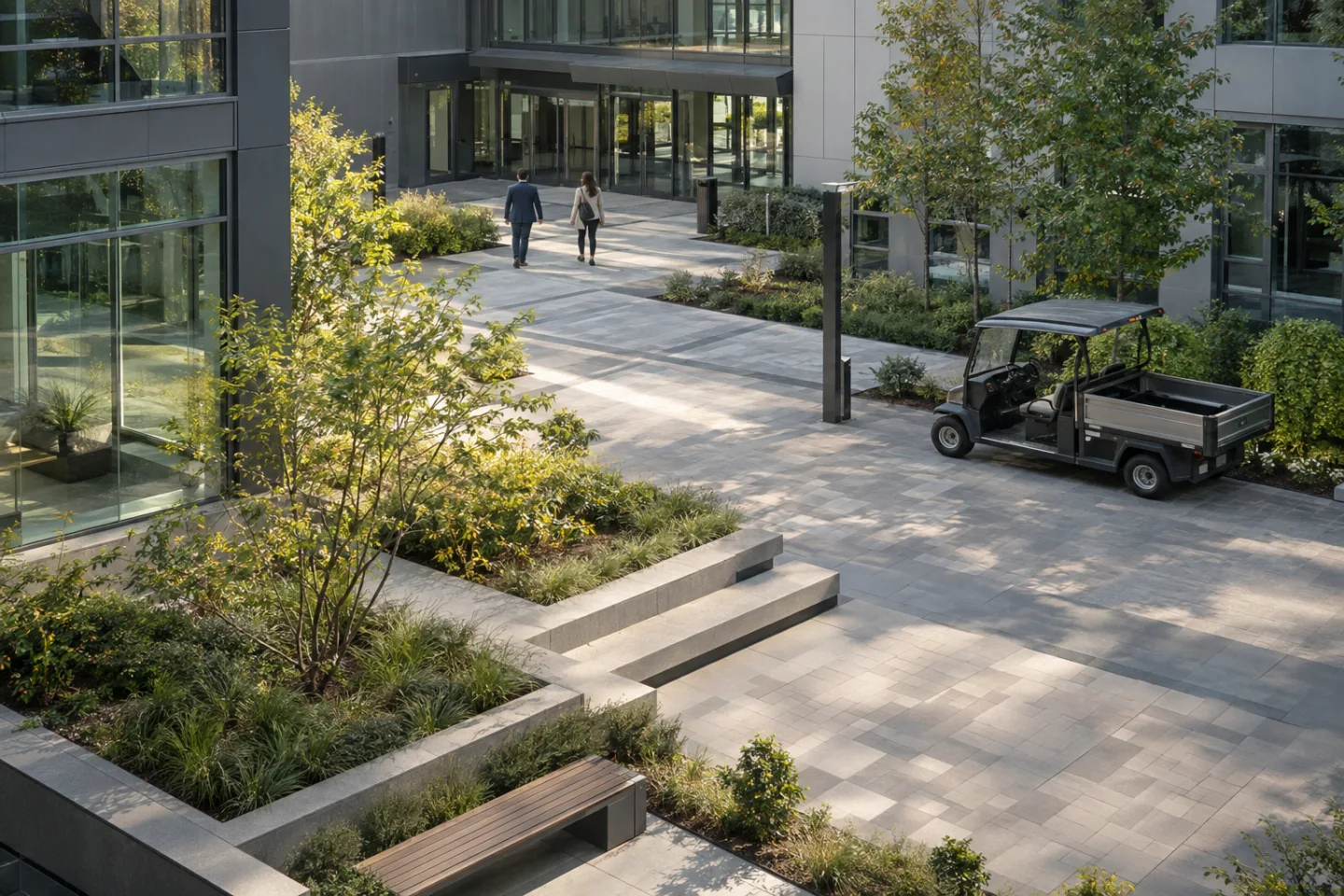
An office may want awareness of a person entering a service area after staffed hours. A retail operation may use a supported human-based rule around a back-of-house entrance. A warehouse or remote site may want to reduce irrelevant movement notifications in a selected view while retaining useful events for an operator.
Each application should have a clear purpose and monitored boundary.
The system should not label a person as a threat simply because they are present. Legitimate staff, visitors, contractors and people seeking assistance can all create an event. Operators need the surrounding context and an agreed response procedure. Where other information, such as an access record, is relevant, the integration should preserve its source and limitations rather than automatically turn a visual classification into an authorisation decision.

Connect the event to review and action
A supported analytics event can include the camera, zone, time, rule and associated image or video reference. The local network carries the event to a VMS or monitoring platform, where it may enter an operator queue or trigger an integrated notification.
Email, SMS and app delivery depend on the chosen services and platform interfaces. A local alarm indication is a separate output that needs an agreed purpose.
An operator reviews the information, checks whether the activity is expected and follows the site's procedure. Some events may need no intervention; others may call for assistance, contact with a supervisor or security review. Acknowledgement and escalation records can help the team understand how the process performs.
A 24/7 analytics schedule should be described alongside the receiving arrangements, not as a promise that every camera is continuously watched by a person.
Check limitations and manage the information
Commissioning should include representative people, normal movement, relevant object alternatives and the expected lighting conditions. Test the available event context and the receiving workflow, including unavailable cameras and network faults. Record exclusions and avoid accepting a demonstration from one favourable view as proof of suitability throughout the site.
Agree who can view images, how long event information is retained and what records are needed for legitimate operational review. Reassess the configuration when the scene, operating schedule or monitoring purpose changes. IS Security can coordinate suitable cameras, cabling, network access and platform integration, keeping person detection separate from identity recognition and making the role of human judgement explicit in the finished workflow.
From a possible event to a useful response.
Object → human classification → event review. Open each stage to explore its role. This is an illustrative workflow; it does not analyse live footage or send notifications.
01 / OBSERVESupported network camera
The monitored condition is: human-shaped object in view. Select the device, field of view and installation position for this specific task. Record obstructions, lighting, power and maintenance requirements before relying on the event stream.
02 / INTERPRETHuman / object classification
Apply zone, direction and scene filtering. The selected platform must support the intended event and expose a usable interface. Test representative events and unwanted triggers; an analytics output is a candidate for review, not proof of what happened.
03 / CONNECTLAN → firewall → secure platform
Carry authorised event data through the local switch or sensor gateway and an approved network path. Size bandwidth for any accompanying clip. Protect accounts and interfaces, supervise connection loss and agree retry behaviour where the platform supports it.
04 / RESPONDAuthorised monitoring operator
Deliver the location, event type and time to the agreed recipient. A person verifies the available context, follows the site response procedure and records the outcome. Delivery, acknowledgement and resolution are different states and should be reviewed separately.
Where supported by the selected camera, sensor, VMS or analytics platform. Safety-related analytics provide supplementary operational awareness and do not replace dedicated certified fire or life-safety systems where required. The final design must define the equipment, event interfaces and responsible response team.
Reach the people who can act.
Available outputs depend on the selected platform, licences and agreed integrations. Open a channel for practical delivery considerations.
Send event context and a secure review link to an authorised mailbox where supported. Agree recipients and inbox monitoring; acceptance by a mail server does not confirm that a person has read or acted on the message.
Text / SMS
Use a supported gateway or monitoring integration for concise location and priority messages. Confirm service availability, costs and delivery reporting. Sensitive footage should stay within the authorised platform rather than an unrestricted text message.
Mobile apps
A supported application can present event details and acknowledgement controls to authorised users. Test notification permissions, connectivity and out-of-hours coverage. A silenced or offline handset needs a planned alternative recipient or escalation route.
Alarm outputs
A compatible interface may trigger an approved operational sounder, relay or indicator. Define supervision, reset behaviour and responsibility. Do not connect analytics directly to hazardous equipment or alter certified safety functions without the appropriate engineered design.
Control room / monitoring platform
Route supported events into the operator workflow with a consistent site identifier and priority. Give reviewers enough context to distinguish an actionable event from an unwanted trigger, with access restricted to their responsibilities.
Escalation & event review
Define who receives an unacknowledged event, how long the initial team has to respond and how closure is recorded. Review failed deliveries, recurring unwanted alerts and staffing gaps alongside the detection rules.
Plan the complete monitoring chain.
Start with the event, the operating environment and the person responsible for responding. Share existing equipment details, site plans and integration requirements with the technical team.