IT INFRASTRUCTURE / COMMERCIAL SITES / GLOBAL DEPLOYMENTS
929‑502‑3991   /   Speak to our team
Illustration of a commercial campus with several buildings and connecting access roads
IS Security

Coverage & Deployment

Land-based teams, technical resources in Europe and mobile fly teams for commercial sites, international programmes and maritime deployments.

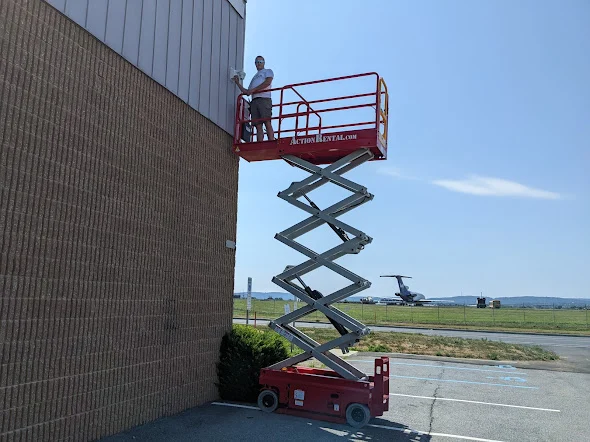
Installer using an elevated work platform beside a commercial building
Access arrangements are part of installation planning.Existing company installation photograph.
Commercial project locations

Begin with your location.

Our existing service information covers New York, New Jersey, Delaware, Philadelphia, Baltimore and the Washington area. Contact us to confirm availability and the scope required at your site.

New YorkCommercial project enquiries
New JerseyCommercial project enquiries
DelawareCommercial project enquiries
PhiladelphiaCommercial project enquiries
BaltimoreCommercial project enquiries
Washington areaCommercial project enquiries
Coordinated technical resources
Land teamsLocal & regional installation
European resourcesTechnical delivery capability
Fly teamsMobile project attendance
Temporary project basesFor sufficiently large programmes

Scalable international delivery

European resources & international deployment

Tell us where the work is.

IS Security has technical resources within Europe and combines them with land-based teams and mobile fly teams for wider geographical coverage. We support local and regional programmes, nationwide rollouts and international deployments. For sufficiently large projects, a temporary deployment base can help coordinate resources near the work.

Technical resources, temporary project bases and deployment capability are distinct from company offices. We do not list unverified country offices. Share site locations, the installation scope and proposed sequence so we can review regional scheduling, access and equipment logistics.

Multi-Site & International Deployments
Installation planning

Assess deployment around the work and location

Provide a brief that supports a real plan

A deployment enquiry should identify the site or vessel, required work and available access period. Explain whether it involves one visit, repeated attendance or several locations. Photographs, equipment schedules and routes help establish resources. European technical resources and mobile fly teams describe delivery capability; they are not a list of permanent offices or an unconditional promise of attendance. Feasibility depends on the location and actual installation requirements.

Separate mobilisation from readiness

Travel does not resolve missing equipment, restricted access or unavailable configuration owners. Review prerequisites before mobilisation and identify delivery, storage and local contacts. Confirm operator-specific entry requirements. For a regional programme, establish which sites are ready and what can be completed at each. Record changes before they disrupt the remaining sequence, with a named customer contact able to approve revised attendance arrangements.

Keep reporting consistent across teams

Agree conventions for photographs, equipment identifiers, tests and outstanding actions. Preserve site or vessel context when several teams or temporary project bases are involved. Reviewers need to distinguish completed work from follow-up activities and external dependencies. A later extension or repair can then start from this evidence instead of recollections from a previous visit. Record any unvisited locations separately from sites where an installation was completed and accepted.

Practical project guide

International installation coverage, in practice.

Assess technical-resource availability and international deployment feasibility. Explore the decisions that shape the installation, interfaces and handover.

Start with the work, location and timing

Coverage for a technical project depends on more than a country name. Tell us where the site or vessel will be, what equipment and infrastructure work is required and when access is available. A small repair, a new commercial fit-out and a multi-country rollout have different resource and preparation needs. IS Security assesses the proposed scope and delivery arrangements rather than promising identical attendance everywhere. The first discussion should establish which information is reliable, which conditions need investigation and who can approve the work at the destination.

Distinguish delivery resources from company offices

Local or regional attendance, European technical resources and mobile fly teams describe ways a project may be delivered. They do not imply a permanent IS Security office at every location or an automatically available team for every date. The resource arrangement must be assessed against the job, schedule and practical constraints. Larger programmes may justify temporary project bases, but that decision follows the agreed scale and logistics. Keep this distinction clear when planning procurement, because a delivery model is not the same as a fixed network of owned premises.

Confirm the prerequisites before mobilisation

A useful readiness check includes the local contact, approved access, equipment availability, drawings and configuration responsibilities. International work may also depend on the relevant travel, import or site-entry arrangements, which need to be established by the responsible parties. Identify who handles each prerequisite instead of assuming the installation team can resolve it on arrival. Where information is incomplete, separate investigation from the installation commitment. This makes the proposed attendance more reviewable and helps prevent an apparently simple equipment visit from arriving before the site is ready.

Group repeat work without hiding local differences

For multiple locations, discuss whether work can be grouped by region, equipment type or operating window. A shared installation and reporting standard can make coordination easier, but site conditions still need review. Cabinet layouts, landlord permissions, operating hours and local contacts may vary. Establish a process for approving exceptions and updating the common scope. Central reporting should show what has been installed, what has been tested and what the client has accepted. These are useful project states, not interchangeable descriptions of a completed visit.

Plan vessel attendance around a confirmed window

Maritime work needs the vessel location, technical contact and expected attendance opportunity as well as the equipment scope. Schedules can change, so agree how updates affect mobilisation and materials. Identify which spaces and systems are available during the window and which approvals remain outstanding. The vessel team should confirm the boundaries of the proposed work, particularly where communications interfaces touch specialist systems. A practical plan makes those dependencies visible before travel is arranged, with any investigation, installation and follow-up activities distinguished in the scope.

Define handover and follow-up before the team leaves

Remote and international projects need records that the client can use after attendance. Agree the required endpoint identification, test evidence, equipment list and exception report. Identify who receives the handover and who can accept the operational checks. If another supplier must finish configuration, record that action and its owner rather than implying the installation team has completed it. The aim is a clear transition from attendance to support, with a documented account of what changed and what still needs attention at each location.

Send a brief that supports a realistic response

Include the location, site type, required services, approximate scale and preferred timing in the enquiry. Describe whether equipment is already selected and whether site plans or existing records are available. For a programme, identify the number of locations under consideration and the intended sequence without sharing sensitive site information unnecessarily. For a vessel, include the expected port and technical contact arrangements. We can then discuss the next information or survey needed to assess feasibility and prepare an installation scope. Availability and delivery commitments follow that review rather than a map alone.

From requirement to acceptanceThree decisions to settle.
  1. 01
    Assess

    Review location, scope, schedule and the proposed delivery resources.

  2. 02
    Mobilise

    Confirm access, materials and responsible-party prerequisites.

  3. 03
    Close

    Issue site-specific evidence and assign any follow-up work.

Use these checkpoints to discuss the scope. The final test method, responsibilities and acceptance evidence depend on the selected system and agreed work.

Discuss the destination and the scope.

Share the location, access window and required installation work so the technical team can review feasibility.

Discuss a Project

Let’s plan the next connection.

Commercial sites. International programmes. Onboard systems.

Speak to Our Technical Team