01
Copper & fibre
Local equipment connections and backbone cabling for agreed network locations.


Commercial network infrastructure and integrated security for industrial premises and working facilities.
Industrial sites require careful coordination between cable routes, equipment locations and operational access. We scope infrastructure and security installations around the building and the people responsible for its day-to-day operation.
Physical infrastructure, connected equipment and a clearly agreed installation scope.
Local equipment connections and backbone cabling for agreed network locations.
Coordinate containment and routing with existing infrastructure and site access requirements.
Install organised network locations and the equipment that connects them.
CCTV installation for agreed operational areas and access points.
Door access and intruder detection within the agreed commercial security scope.
Replace cabling and add equipment connections as site requirements change.
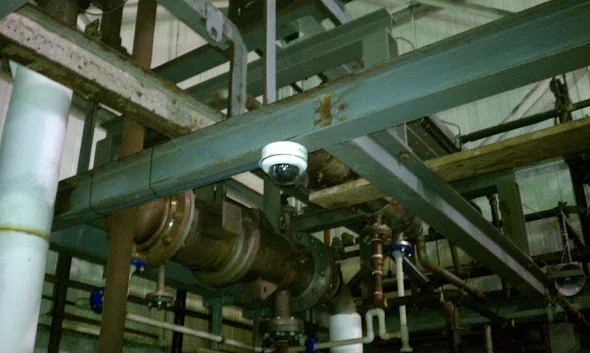
Cabling, networks and security equipment are planned around the people, systems and operations using the space.
Scope communications and security infrastructure in industrial premises. Explore the decisions that shape the installation, interfaces and handover.
Industrial sites can contain business IT, security equipment and specialist production systems with different owners. The first task is to establish which systems the proposed work may touch. A network connection near a machine is not permission to alter its control environment. Confirm the responsible engineering and IT contacts, approved interfaces and change procedure before planning installation. IS Security can scope communications infrastructure and connected technology within those boundaries. Any work requiring specialist equipment approval or another contractor should be identified explicitly rather than absorbed into a general network-installation description.
Dust, temperature, vibration, moisture and access restrictions can influence route and equipment choices. Describe the actual conditions at the installation position rather than relying only on the building’s industry category. Material, enclosure and mounting requirements should be agreed with the site owner and relevant equipment documentation. Identify restricted areas and the process for permits or isolation where applicable. Do not assume a standard office component is suitable because it provides the required connector. The scope needs to connect environmental requirements to the specific equipment and cable route being proposed.
A convenient time for an installer may be an unsuitable time for a production process. Agree the work window, affected areas and the person authorised to release them. Identify dependencies on access equipment, isolation or other contractors before attendance. If work is phased, define what constitutes a safe and usable handback for each phase. Record temporary connections and incomplete routes so they are not mistaken for the final arrangement. A clear sequence can reduce uncertainty without promising that every upgrade can happen with no interruption to the site.
CCTV, access control and compatible event analytics should address defined areas and review tasks. Lighting, moving equipment and changing activity can affect a camera view. Where the site uses separate safety or environmental sensors, clarify how information is shared and who owns the response. A networked camera should not be portrayed as a replacement for approved process safeguards. Agree recording access, event recipients and the limits of the selected capability. Useful integration makes responsibilities easier to understand rather than concentrating unrelated decisions in one unexplained screen.
Industrial infrastructure often evolves through successive projects. Use an agreed naming scheme for cabinets, routes and endpoints so new work can be distinguished from retained systems. Link the required test results to those identifiers and document any conditions that could not be verified. For an enquiry, provide the location, proposed work area, equipment involved and operating restrictions. Existing drawings and approved photographs help establish what needs a survey. We can then discuss a practical installation scope with the site team, including interfaces, acceptance and any specialist dependencies.
Confirm production-system ownership and approved communications interfaces.
Match routes and equipment to actual site conditions.
Coordinate work release, staged checks and traceable installation records.
Use these checkpoints to discuss the scope. The final test method, responsibilities and acceptance evidence depend on the selected system and agreed work.
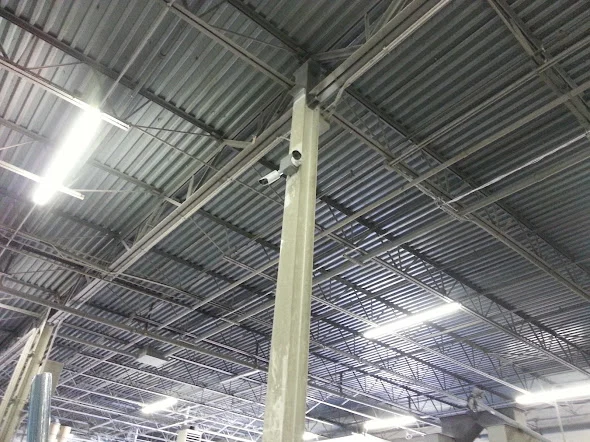
Industrial technology installation can cover offices, stores, production-adjacent spaces and external service areas with different conditions. Record equipment locations and ask the operator to confirm environmental and access requirements. Select routes and enclosures around that assessment. Standard office methods should not be assumed suitable throughout the premises. Interfaces to production or specialist control systems need a responsible owner and a clearly agreed installation boundary.
Route or cabinet access may depend on shutdowns, escorts or permits. Confirm these before scheduling and identify who releases each area. Coordinate cabling, mounting and testing within the available window. Document alternatives for approval when a route cannot be accessed. Keep incomplete connection status clear between visits. If machinery or production equipment must be moved, assign that responsibility to the operator rather than assuming it is part of general network installation.
Test installed cabling and supported network equipment against the brief. Specialist machinery acceptance remains with the responsible operator or supplier unless expressly included. Record connection handoffs and checks requiring that supplier’s attendance. Provide identifiers that maintenance personnel can follow from an endpoint to its cabinet. Future extensions can then use known infrastructure while preserving production-system boundaries and the site’s operating arrangements.
Ask the maintenance contact which drawings and identifiers they already use. Align the new connection records with that system where practical and identify any deliberate changes. Photograph accessible routes and equipment positions without exposing confidential settings. If a specialist supplier must connect or accept its equipment later, state the physical handoff and readiness conditions. This gives the maintenance team a clear boundary for troubleshooting and prevents general network work from being mistaken for acceptance of machinery or production controls.
Explore installation requirements, interfaces and the information needed before work begins.
Yes. We can coordinate the relevant cabling, network equipment and connected security systems within an agreed scope.
Tell us the site location, the required work, existing equipment and any access or timing constraints. Plans and equipment information can be discussed with the technical team.
Commercial sites. International programmes. Onboard systems.
Installations across all of the US, Europe, the Caribbean, the UK and South Africa, with deployment support in Canada and Panama.
Regional resources · Fly teams · International project support
Explore regions & deployment hubs → DEPLOYMENT NETWORK / ILLUSTRATIVE CONNECTIONS