01
Commercial detection
Scope detection around the agreed areas and entry points of the premises.


Intruder detection for commercial premises, coordinated with the wider security installation.
IS Security installs and supports commercial intruder alarms, considering the areas to be protected and how the building is used. Cabling, control equipment and agreed integration requirements form part of the installation scope.
Physical infrastructure, connected equipment and a clearly agreed installation scope.
Scope detection around the agreed areas and entry points of the premises.
Install alarm panels and associated system components.
Provide the physical connections required by the selected equipment.
Discuss compatible links with access control and CCTV.
Review monitoring integration requirements where appropriate; service arrangements are agreed separately.
Investigate faults and replace or add equipment as site requirements change.
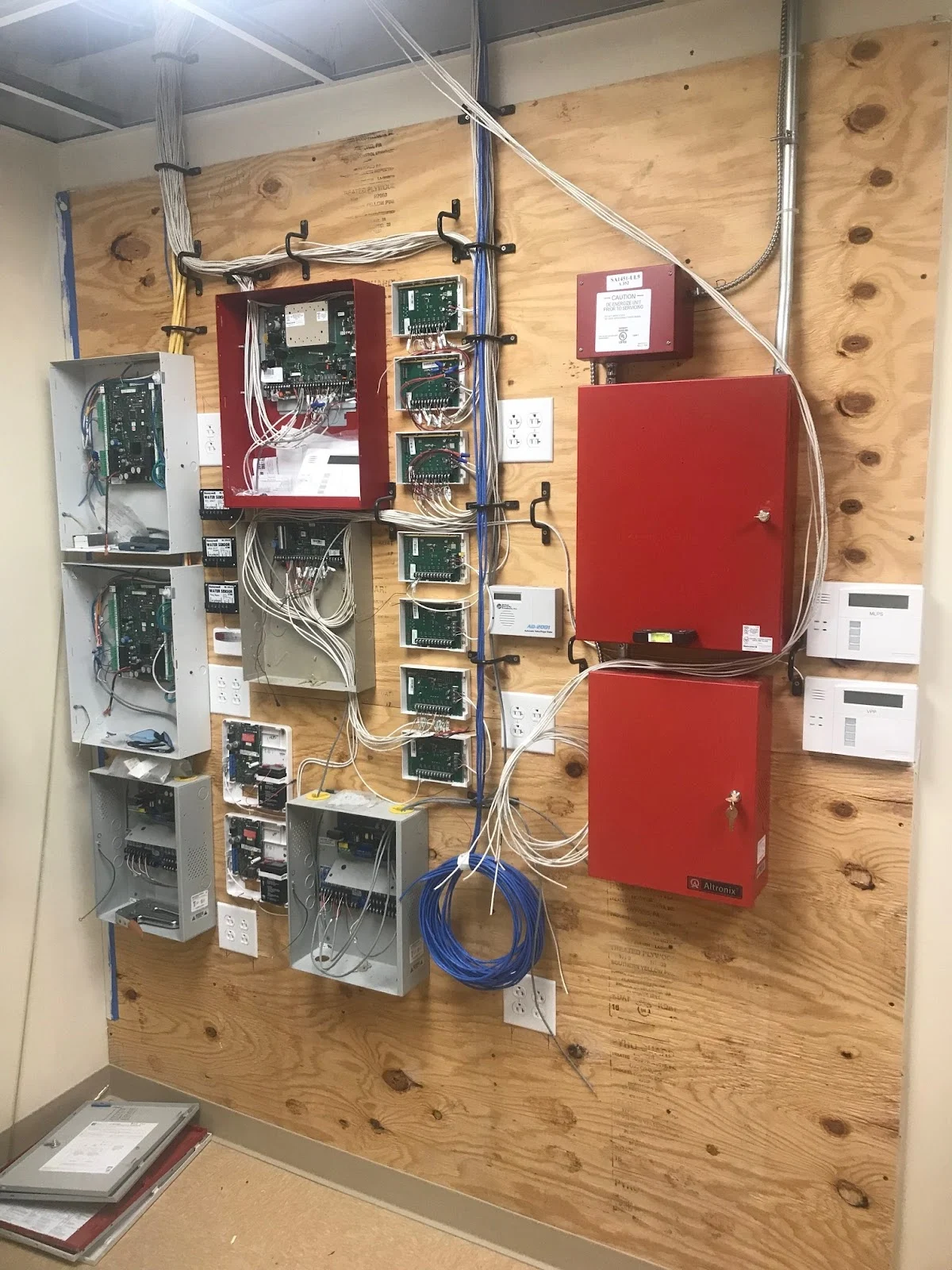
Agree detectors, control equipment, signalling and user handover.
Scope a commercial intrusion alarm installation or upgrade. Explore the decisions that shape the installation, interfaces and handover.
A commercial alarm should reflect how the premises are used. Identify public areas, staff-only rooms, stock spaces and periods when different parts of the building remain occupied. Describe deliveries, cleaners, late working and any other activity that could conflict with the intended setting routine. Detector choice and position follow from those conditions and the agreed system specification. A single drawing of the perimeter may miss internal access routes or operational exceptions. Bring the facilities and responsible security contacts into the scope before the installation arrangement is fixed.
An additional detector or keypad must be compatible with the system it joins. Confirm the control panel, available capacity, existing cabling and support arrangements. Where documentation is incomplete, include an investigation stage rather than assuming an old device can be connected directly to a new panel. Identify any unreliable zones and the symptoms reported by users. The installation scope should distinguish retained equipment from new components and explain which existing conditions have been checked. This avoids presenting an extension as a complete renewal of every part of the system.
Detecting an event, communicating it and deciding what happens next are different responsibilities. Agree who receives notifications and what service, if any, monitors the system. A network connection alone does not establish a monitoring contract or a guaranteed response. Confirm the intended signalling arrangement with the responsible provider and identify power or connectivity dependencies. If other systems are integrated, document the supported interface and acceptance procedure. Keep the promised outcome tied to the agreed equipment and service scope rather than implying an automatic emergency response from the presence of an alarm panel.
Alarm work may require temporary isolation of zones or access to occupied areas. Agree how the premises will operate during that period and who can authorise testing. Commission the applicable zones, setting routines and notification paths with the appropriate contacts. Provide user guidance for the selected equipment and record any outstanding limitations. A useful handover distinguishes ordinary operation from faults and makes it clear who should be contacted for each type of issue. Access codes and account details should pass through a secure project process, not public documentation.
When enquiring, give the premises type, affected areas, existing equipment if known and the reason for the work. Repeated unwanted activations, a changed building layout and a new signalling requirement lead to different investigations. Include operating hours and access constraints so attendance can be planned. We can discuss installation, replacement and connected infrastructure within a defined scope. Requirements imposed by an insurer, monitoring provider or other responsible party should be supplied for review rather than assumed from a generic description of the building.
Match protected areas and detector placement to actual occupancy.
Confirm the notification provider, communication path and response owner.
Witness agreed tests and provide system-specific operating guidance.
Use these checkpoints to discuss the scope. The final test method, responsibilities and acceptance evidence depend on the selected system and agreed work.
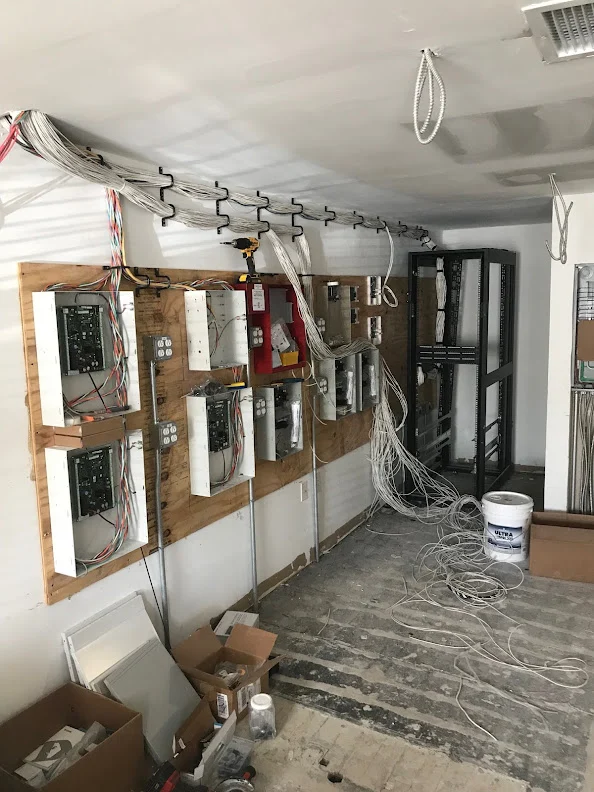
An intruder alarm installation needs a clear account of opening hours, staff movements and the areas that remain occupied after others close. Map the proposed detection areas and control locations with the customer. Stockrooms, shared corridors and separate warehouse offices can require different operating arrangements. Record existing cabling and equipment before deciding whether the work is a replacement, an extension or a new installation.
Identify who operates the alarm and how changes to their routine will be introduced. An equipment upgrade can involve unfamiliar controls or revised area names even when detector locations stay the same. Agree the access window and the point at which the old arrangement will be taken out of service. If a separate monitoring provider or communications service is involved, confirm its responsibilities and availability before attendance.
The agreed commissioning plan should demonstrate the relevant areas and user operations with an authorised customer representative. Record any detection positions that could not be checked because stock, access or building works prevented it. Leave an equipment and area schedule, explain the agreed administration responsibilities and identify the route for reporting future faults. Monitoring, ongoing maintenance and response arrangements should be described only where they have been expressly included in the customer agreement.
Explore installation requirements, interfaces and the information needed before work begins.
A commercial alarm installation needs a clear brief for entry points, occupied areas, opening hours and the people who will operate the system. Provide plans and details of any existing control panel, detectors and fault symptoms so the scope can distinguish new installation from repair or extension.
Agree detector locations, cable routes and supported interfaces before equipment is ordered. Any monitoring connection and response arrangement must be defined separately with the responsible provider. During handover, check the agreed detection and user functions and identify equipment, operating responsibilities and follow-up work. Rollouts can use a common operating brief with site-specific checks.
Yes. We can coordinate the relevant cabling, network equipment and connected security systems within an agreed scope.
Tell us the site location, the required work, existing equipment and any access or timing constraints. Plans and equipment information can be discussed with the technical team.
Commercial sites. International programmes. Onboard systems.
Installations across all of the US, Europe, the Caribbean, the UK and South Africa, with deployment support in Canada and Panama.
Regional resources · Fly teams · International project support
Explore regions & deployment hubs → DEPLOYMENT NETWORK / ILLUSTRATIVE CONNECTIONS