01
Local, regional and nationwide programmes
Coordinate multiple local sites, regional schedules and nationwide rollouts around access windows, site readiness and customer priorities.


Coordinated IT, cabling, connectivity and intelligent security installations across local sites, regional programmes and international rollouts.
Scalable international delivery
IS Security supports organisations planning installations across multiple sites, regions and countries. We combine land-based technical teams, technical resources in Europe and mobile fly teams with coordinated project planning. For sufficiently large projects, temporary deployment bases can support the installation programme. A shared specification and centralised reporting keep individual sites connected to the wider project.
Group locations by region. Agree installation standards before teams mobilise. Track testing, exceptions and completion through centralised reporting.
Team allocation and temporary project bases depend on the scope, scale and schedule. Delivery resources are distinct from company offices.
Physical infrastructure, connected equipment and a clearly agreed installation scope.
Coordinate multiple local sites, regional schedules and nationwide rollouts around access windows, site readiness and customer priorities.
Use technical teams and resources within Europe alongside mobile fly teams. These resources describe delivery capability, not an unverified list of company offices.
Plan team attendance, equipment logistics and installation responsibilities for programmes spanning countries, with local requirements reviewed before work.
Bring structured cabling, fibre, racks, switches, routers, Wi-Fi, Starlink, firewalls, CCTV, AI CCTV and access systems into the agreed specification.
Group work regionally and coordinate mobile teams. For sufficiently large programmes, assess a temporary project base near the installation locations.
Collect commissioning records, photographs, documentation and outstanding actions in an agreed format so the customer can review progress across the estate.
One installation standard. Clear ownership at every stage.
Confirm sites, priorities, access windows, responsibilities and the programme sequence.
Agree equipment, cabling, labels, configuration and acceptance criteria.
Coordinate regional resources, European technical teams and mobile attendance.
Install the agreed infrastructure and systems; record authorised site variations.
Check links, configuration and intended system operation against the specification.
Record equipment locations, completed work, tests and outstanding actions.
Bring site records into one programme view for customer review and handover.
Plan a consistent multi-site or international technology rollout. Explore the decisions that shape the installation, interfaces and handover.
A common installation standard should specify what each site must receive and what evidence demonstrates completion. Confirm equipment compatibility, labels, photographs that may be shared and required test records before scaling the work. A pilot or initial site can reveal assumptions about access, cabinet space or local support that need revision. Record those lessons in the common scope so later teams work from the same approved version. Standardisation should reduce ambiguity while allowing an explicit exception path for sites that cannot support the usual arrangement.
A site can have a planned installation date without being ready for attendance. Equipment delivery, access approval, local contacts and configuration prerequisites should be confirmed independently. Keep unresolved items visible to the central coordinator and agree when they prevent mobilisation. Completion reporting should distinguish installed, tested and accepted work. That distinction helps avoid presenting a physical visit as a fully operational deployment when another supplier or client action remains outstanding. Temporary project bases and regional resources are assessed against the actual programme, not treated as permanent office locations.
Approve the repeatable scope and evidence before wider rollout.
Check local access, equipment and configuration prerequisites.
Report installed, tested and accepted states separately, with exceptions.
Use these checkpoints to discuss the scope. The final test method, responsibilities and acceptance evidence depend on the selected system and agreed work.
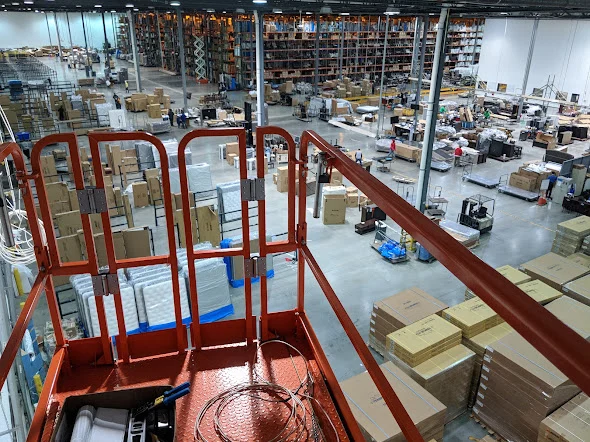
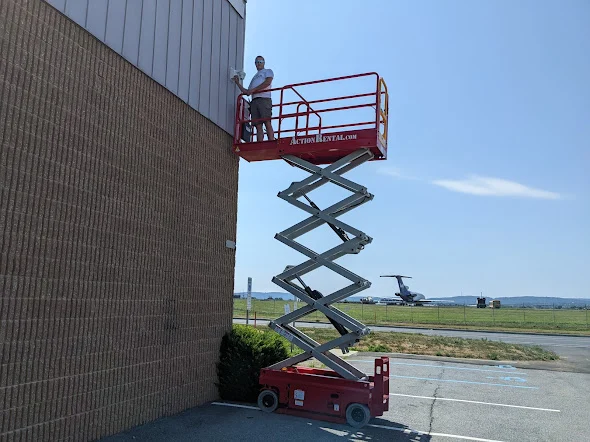
An international installation rollout needs site readiness evidence as well as a central programme. Confirm access, delivery, working hours, routes and configuration ownership before releasing a visit. A standard questionnaire exposes differences without forcing identical layouts. Record unresolved prerequisites and decide which prevent attendance. This avoids sending a team to a site where essential equipment, cabinet access or local authorisation is unavailable.
A common specification gives installers and reviewers a shared acceptance basis. It should still allow documented decisions for different routes, cabinets or trading restrictions. Name the change approver and record effects on materials, testing and follow-up visits. Keep site identifiers on photographs, schedules and equipment records. Central reporting must show the installed result rather than repeat an unchanged proposal for every location.
Agree the completion pack before first deployment: identified photographs, installation records, relevant tests and prioritised exceptions. Review a pilot to check usefulness for technical and operational teams. Regional resources and fly teams should follow the same handover conventions while retaining local context. Separate completed installation from provider activation and application acceptance so the programme assigns the next action to the correct owner.
Explore installation requirements, interfaces and the information needed before work begins.
A multi-site technology rollout should define the cabinet layout, cable categories, fibre interfaces, labels, switch configuration and connected-system requirements once, then test the brief against an initial site. Record local exceptions so later installations do not copy a mistake or assume identical premises.
A retail store, warehouse and office may share equipment standards but have different access windows and route constraints. Agree a survey template, materials list, acceptance checks and the person authorised to approve changes at each location.
IS Security welcomes international deployment requirements and assesses installation arrangements for the specific locations and scope. Provide countries, site or port locations, quantities and the intended programme. Equipment logistics, access, local requirements and the division of responsibilities need confirmation before attendance is promised.
Handover should include a per-site outlet and equipment inventory, agreed test results, configuration records and unresolved actions. Phased repairs and upgrades can follow the same programme controls. This capability does not imply international offices, completed offshore projects or specialist approvals.
By combining established technical resources, regional planning and mobile fly teams, IS Security can deliver coordinated multi-site installations while maintaining commercially competitive project costs. The opportunity for efficiency comes from how the work is organised: repeatable specifications, prepared sites and practical deployment schedules.
Several nearby sites can be grouped into one regional visit, allowing engineers to complete more than one installation during a deployment. Standardised equipment lists and acceptance criteria reduce repeated planning work. For larger programmes, a temporary project base can support equipment coordination and team attendance. The delivery plan is sized to the programme rather than assuming the same approach suits every customer.
International retailers and retail chains may need consistent store technology while each site stays operational. Shopping-centre operators and commercial property groups need clear boundaries between shared infrastructure and tenant systems. Logistics companies and warehouse operators may need installations coordinated around loading schedules and operational access.
Manufacturers, technology companies, security integrators and multinational organisations can use a common installation brief for infrastructure and connected systems across their locations. Maritime operators can apply the same programme controls to planned vessel attendance. We agree site contacts, configuration ownership and escalation routes so each team knows where its responsibilities begin and end.
Before rollout, agree the commissioning checks, photographic record and documentation required for each site. Records can include cabinet and outlet identification, installed equipment, agreed test results, configuration responsibility and outstanding actions. Photographs show the completed installation details required by the customer; they are not a substitute for specified tests.
Centralised reporting brings these records into a common view for the programme team. Identify which sites are ready for acceptance, which have dependencies and which need follow-up. The reporting format and review frequency are agreed with the customer rather than promising an unverified proprietary platform.
Send the number and location of sites, target dates, technology scope, existing specification and any pilot-site information. Include access restrictions, required working hours, equipment responsibilities and the people who will accept the work. For international deployments, identify countries and regional groupings early so technical resources and travel can be planned.
We can then discuss a repeatable installation programme, regional deployment options and the scale of resources required. Site readiness, local requirements and logistics remain project-specific. European resources and international delivery capability do not mean every country is a company office or that attendance can be promised without reviewing the scope.
A deployment schedule works best when site readiness is checked before travel. Confirm access contacts, available work areas, equipment delivery, the agreed installation drawings and the people authorised to approve a change. Where an existing provider controls network settings or application access, arrange that involvement before commissioning is due.
Use the pilot installation to review these dependencies as well as the technical specification. A location that is not ready should be visible in the programme report, with the next action and responsible party identified. This helps regional and fly teams move through prepared sites in a coordinated sequence, while preserving the agreed acceptance standard at every location.
Yes. We support international programmes using European technical resources, land-based teams and mobile fly teams. The proposed countries, schedule, equipment logistics and access requirements are reviewed as part of planning.
Regional scheduling, repeatable specifications and grouping several sites into one deployment can reduce repeated mobilisation and planning. Temporary project bases can also be assessed for sufficiently large programmes.
The agreed commissioning records, photographs, equipment and connection documentation, and outstanding actions feed into centralised reporting. Acceptance criteria and record formats are set before rollout.
Yes. We agree the installation interfaces, configuration responsibilities and site acceptance process with the customer’s internal teams and other delivery partners.
Commercial sites. International programmes. Onboard systems.
Installations across all of the US, Europe, the Caribbean, the UK and South Africa, with deployment support in Canada and Panama.
Regional resources · Fly teams · International project support
Explore regions & deployment hubs → DEPLOYMENT NETWORK / ILLUSTRATIVE CONNECTIONS